

The Architecture of Recovery: How Professional Treatment Rewires the Addicted Brain
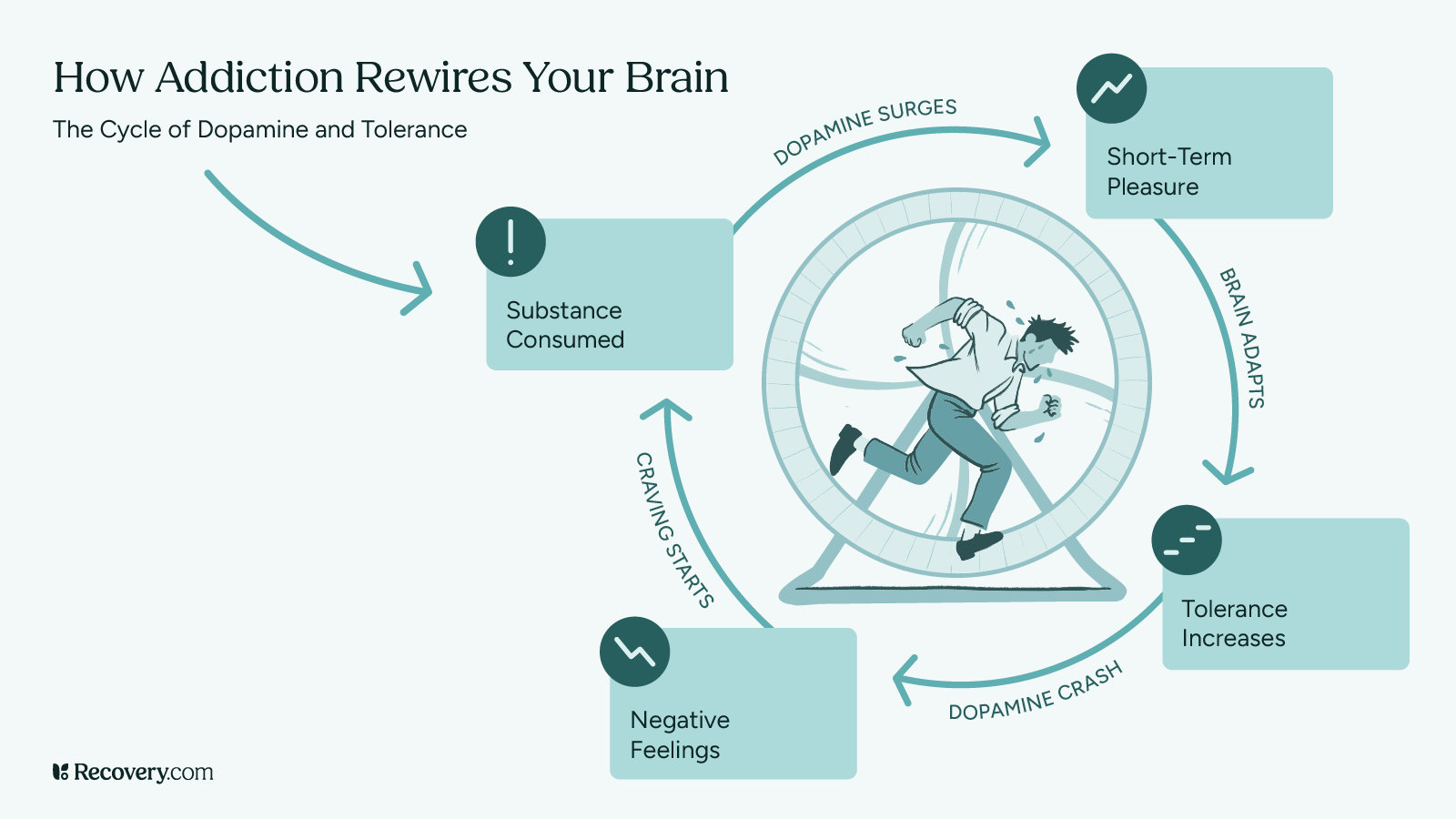
For many years, addiction was viewed primarily as a moral failing or a lack of willpower. However, modern neuroscience has fundamentally shifted this perspective, revealing that chronic substance use leads to significant structural and functional changes in the brain. These changes explain why it is so incredibly difficult to quit through sheer determination alone. The good news is that the brain possesses a remarkable quality known as neuroplasticity, which is the ability to reorganize itself by forming new neural connections. Drug rehabilitation is, at its core, a scientific process designed to harness this plasticity, helping the brain heal from the damage of substance use and establishing new pathways that support long-term sobriety.
The Neurological Hijacking of the Reward System
To understand how treatment works, one must first understand what happens during active addiction. The human brain is hardwired to reward life-sustaining behaviors, such as eating and social interaction, by releasing a neurotransmitter called dopamine. This chemical creates a sense of pleasure and reinforces the behavior. Most addictive substances flood the brain with dopamine at levels far beyond what is naturally possible. Over time, the brain attempts to find balance by reducing the number of dopamine receptors or producing less of the chemical itself.
This adaptation leads to a state where the individual can no longer experience pleasure from normal activities, a condition known as anhedonia. The brain’s “valuation” system becomes skewed, viewing the substance as more important for survival than food or sleep. The prefrontal cortex, which is the area responsible for decision-making and impulse control, becomes weakened, while the amygdala, the brain’s stress and emotion center, becomes overactive. This creates a neurological “perfect storm” where the drive to use is high, the stress of abstinence is overwhelming, and the executive ability to say no is severely compromised.
Breaking the Cycle Through Medical Stabilization
The first scientific step in drug rehab centers in Orange County is often medical detoxification. When a person stops using a substance after a long period of dependency, the brain experiences a violent rebound effect. Systems that were suppressed by the drug suddenly become hyperactive, leading to the painful and sometimes dangerous symptoms of withdrawal. Medical stabilization uses specific medications to dampen this transition, preventing the brain from being overwhelmed by its own chemistry.
By managing withdrawal symptoms, treatment provides the brain with its first opportunity in months or years to reach a state of homeostasis. This “quieting” of the nervous system is essential because a brain in a state of acute withdrawal is incapable of learning or processing the complex psychological work required for recovery. Stabilization serves as the necessary reset, allowing the neurobiological environment to become receptive to the therapeutic interventions that follow.
Cognitive Behavioral Therapy and Neural Pathways
One of the primary ways treatment changes the brain is through Cognitive Behavioral Therapy. This evidence-based approach focuses on the relationship between thoughts, feelings, and behaviors. Every time a person repeats a behavior, the neural pathway associated with that action becomes stronger, much like a well-worn path in a forest. Addiction creates deep, efficient “superhighways” for drug-seeking behavior.
In therapy, patients learn to identify the triggers that activate these old pathways and consciously choose different responses. Through consistent practice, they begin to build new, healthy neural connections. This process is the physical manifestation of learning. As the patient repeatedly utilizes new coping mechanisms, the old “addiction pathways” begin to weaken from disuse, while the new “recovery pathways” become stronger and more automatic. Over time, the prefrontal cortex begins to regain its ability to regulate the emotional impulses coming from the deeper parts of the brain, effectively restoring the “brakes” to a system that had lost them.
Conclusion
The science of drug rehabilitation is a testament to the resilience of the human spirit and the biological flexibility of the brain. Treatment is not merely about stopping a behavior; it is a comprehensive medical and psychological intervention that addresses the physical damage caused by addiction. By utilizing a combination of medical stabilization, behavioral therapies, and holistic practices, rehab centers provide the necessary environment for neuroplasticity to work in the patient’s favor. While the scars of addiction may remain, the brain’s ability to rewire itself offers a scientific basis for hope. Through dedicated effort and professional support, it is possible to move from the chaotic neural patterns of dependency to the structured, healthy architecture of a life in recovery.

